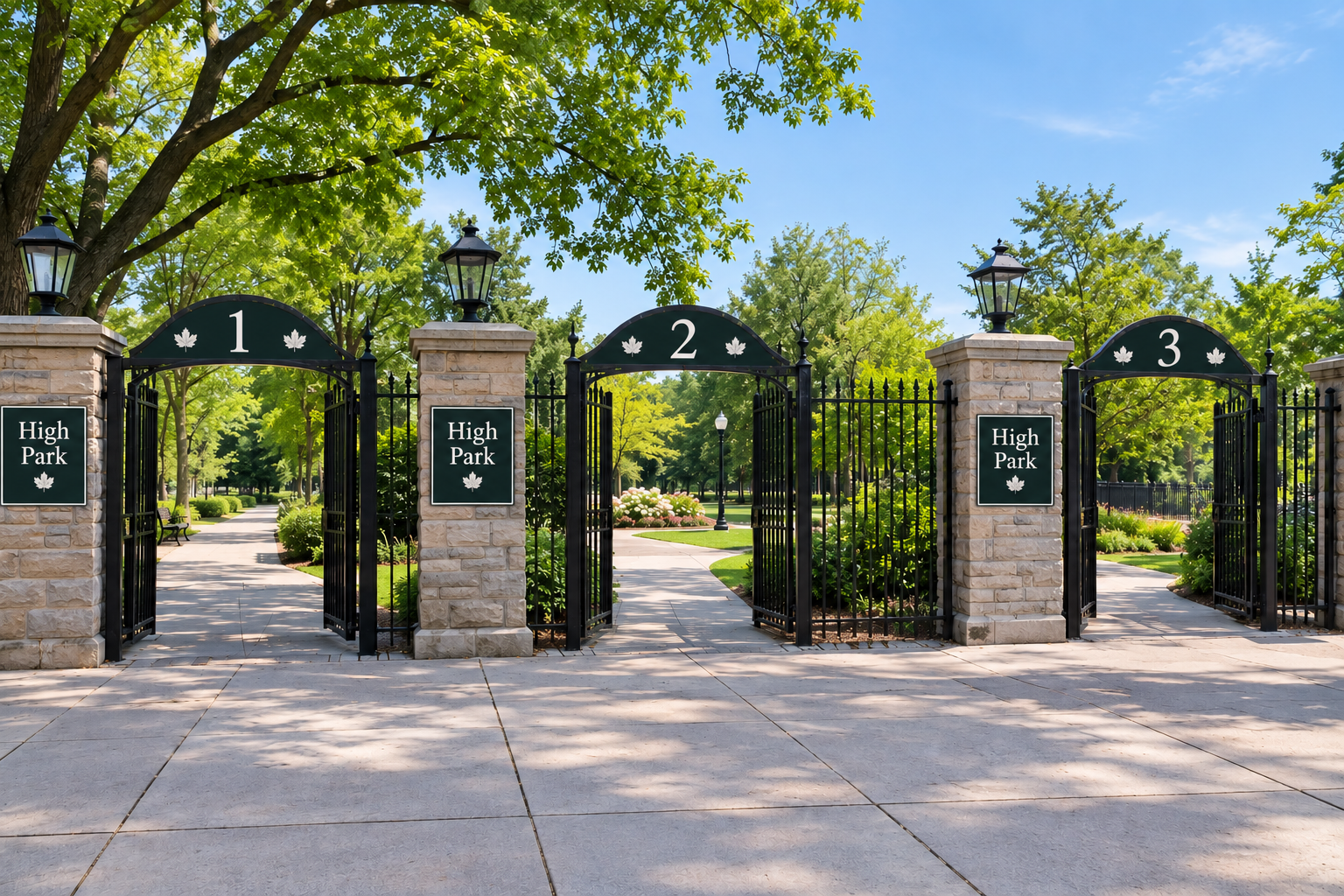
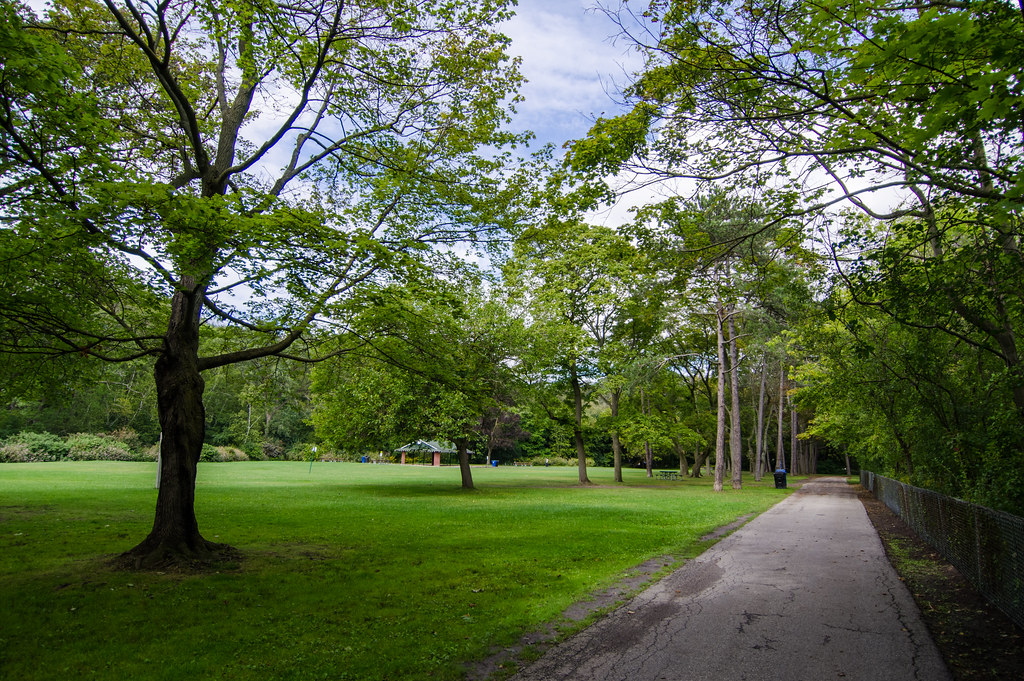
Options to access to High Park is an important topic amongst residents of Bloor West Village. Recently, Parkdale-High Park candidates for Councillor were asked for their views in a survey conducted by High Park Access. You can view the results here. Note that advance polls open today.
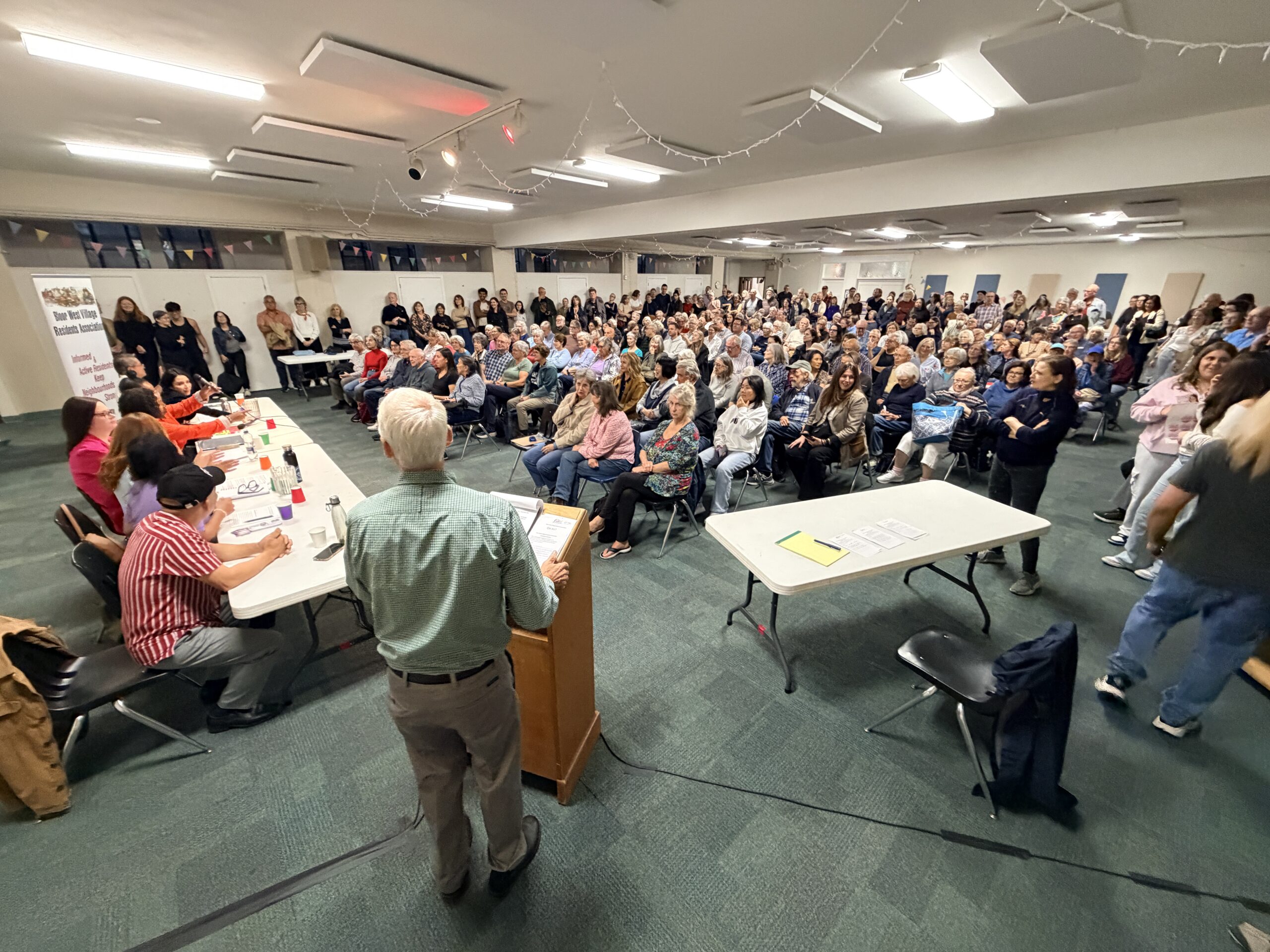
A full capacity thank you to those who attended our Toronto Municipal Election All Candidates Meeting at Runnymede United Church last night. We were indeed at capacity before the event started, so regrets to those who couldn’t make it inside. There were good questions raised and most importantly, fair decorum shown amongst the candidates and attendees. Thank you again, Natalie Guerrera, Diana Chan McNally, Bridget Ogundipe, Adam Pham, Vanessa Raponi, Holly Weber and Steve Yuen for taking the time out of your busy campaigns to join us.
Be sure to get out and vote! Advance voting starts on October 6.
Beginning on March 15, 2026, the TTC 203 High Park Bus will run service through the ‘High Park Loop’ on weekends, from 8 AM to 7 PM with 20 minute service intervals, starting from High Park station. Throughout the summer months of May 4 to September 4, weekday service will also be available.
Wheel-Trans service in High Park will continue be a year-round service.
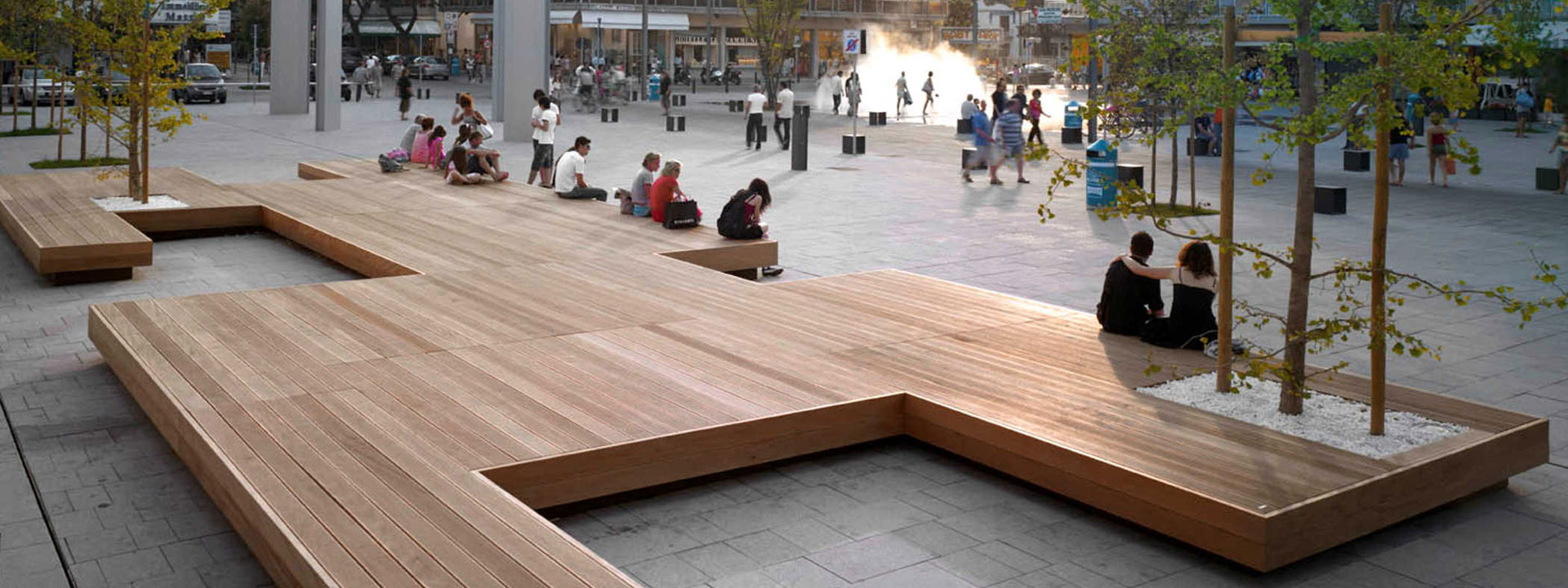
What is street furniture? Sofas, chairs and coffee tables? Not exactly, although seating is indeed included.
The City of Toronto is exploring opportunities to update its Street Furniture Program, and it wants your input. They’ve launched a short survey to learn what street furniture features and functions matter most to you (e.g. real-time information at transit shelters, more seating, Wi?Fi and more). Your feedback will be considered as the City makes updates to the program.
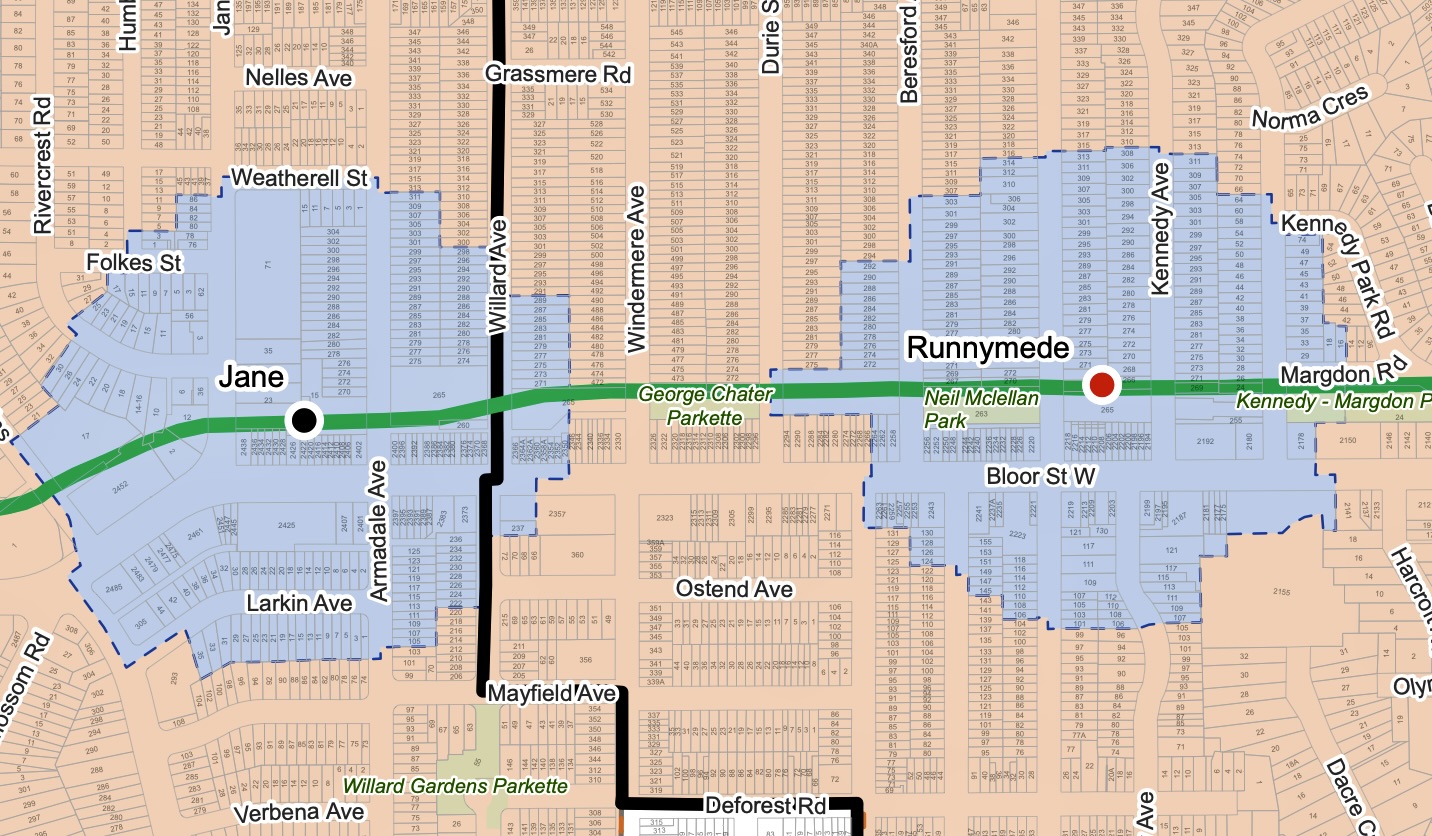
The City will permit certain height and density changes to areas that are within a short walking distance from transit stations. To implement these requirements, they must determine which lots are within 200m and 500m of each station. In our neighbourhood, there are two stations that fall within this map: Jane Street and Runnymede TTC stations.
Draft maps showing the 200m and 500m distances from all stations are now available on the project website, toronto.ca/StationAreaZoning.
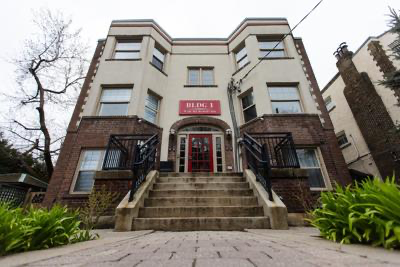
While not technically in our catchment area, this is a nearby development of note. The proposal calls for an 18 unit, 32 bedroom 3 storey multi-family building for 247/249 High Park Avenue. According to ther current plan, the build is longer, wider, and has twice the allowable gross flor area than is allowed on the site.
On June 26, the City adopted an Amendment that will allow multi-unit dwellings to occupy detached residential buildings in low-rise, residential neighbourhoods. Bloor West Village is within the adopted boundaries. For a copy of the decision or to see instructions to appeal, please click here.
The City wants to hear from you as it develops its strategy for parks and recreation. As we all know, Bloor West Village is home or adjacent to many of these spaces including High Park. Click here to visit the project website, which offers many different ways to engage or share feedback and ideas.
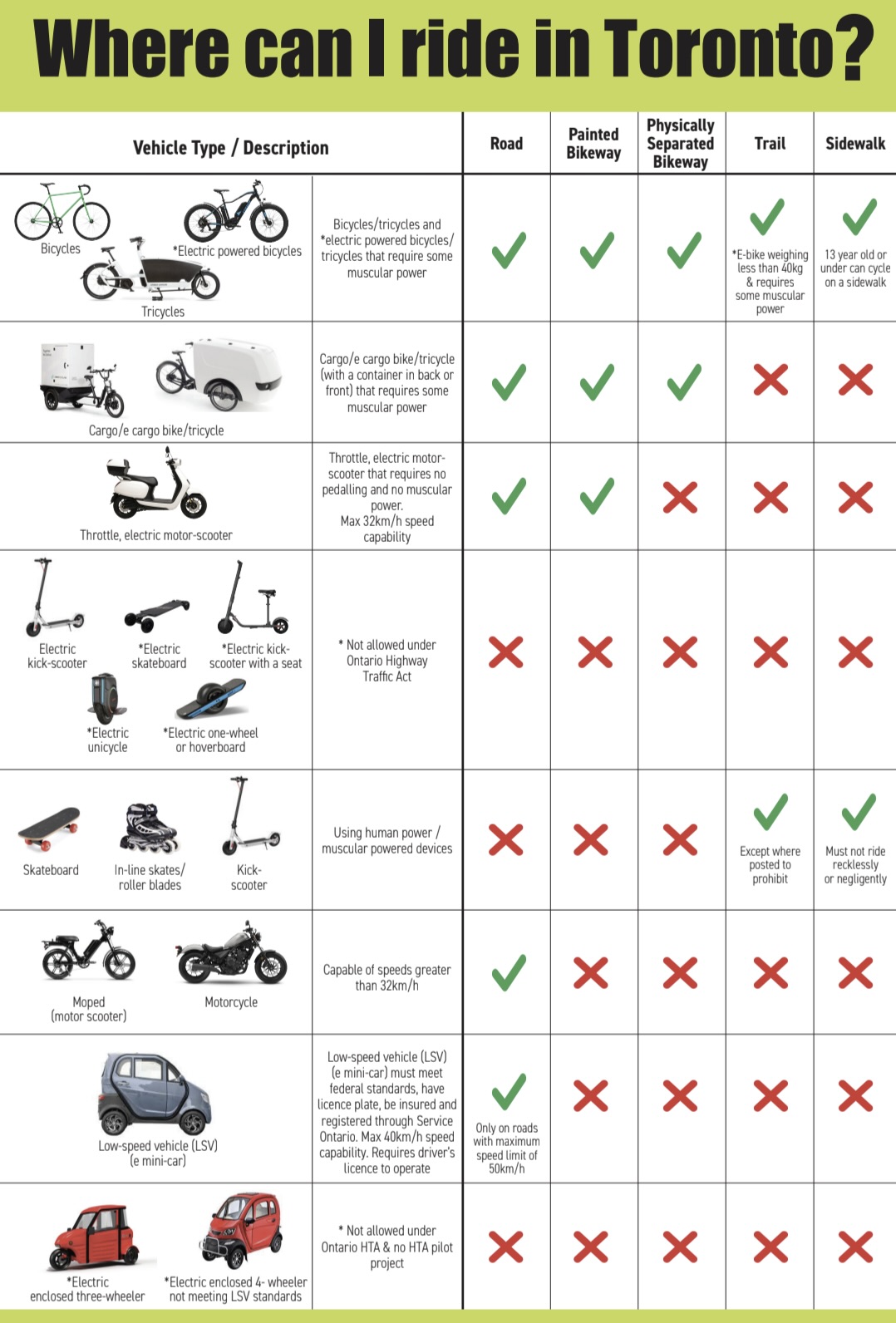
Our local bike lanes are becoming increasingly popular with bicycles and now, e-bikes, e-scooters and e-mopeds. Each are very different in size, weight, and speed. The latter three each pose an opportunity for transportation and exercise, but also issues for pedestrians and other non-powered cyclists. And regulation has not caught up. This Global and Mail article neatly sums up the story.
The City of Toronto has implemented the following changes for short-term rental operators like Airbnb and booking.com, effective June 30 of this year:
Operators will need to post a physical copy of the emergency contact information and exit diagrams prominently in the rental for the duration of the guest’s rental period.
The 40-day registration revocation process will be reduced to a 10-day process. The appeal process will remain to allow operators to provide evidence and information to explain why their registration should not be revoked.
Revised definitions of short-term rental, principal residence and dwelling unit clarify the bylaw and make it easier for operators to understand the regulations.
Licensed multi-tenant house operators will be prohibited from applying for a short-term rental registration.
Changes coming into effect in September 2024 will reportedly strengthen the principal residence requirements, authorize annual inspections and introduce a limit of one registration per dwelling unit. Starting January 2025, the operator registration fees will increase and operators will be required to choose between registering as either an entire-unit operator (i.e. short-term renting entire home) or as a partial-unit operator (i.e. short-term renting only rooms in the home) for the duration of their registration period.